
 Book Online
Even with high-quality CPR, there are times when the heart cannot restart on its own. That is because many sudden cardiac arrests are caused by dangerous electrical rhythms like ventricular fibrillation (VF) or pulseless ventricular tachycardia (VT). In these cases, the heart is not “stopped” in the traditional sense—it is quivering or beating so chaotically that it cannot pump blood effectively. No amount of chest compressions alone can correct this electrical problem. That is where defibrillation becomes critical.
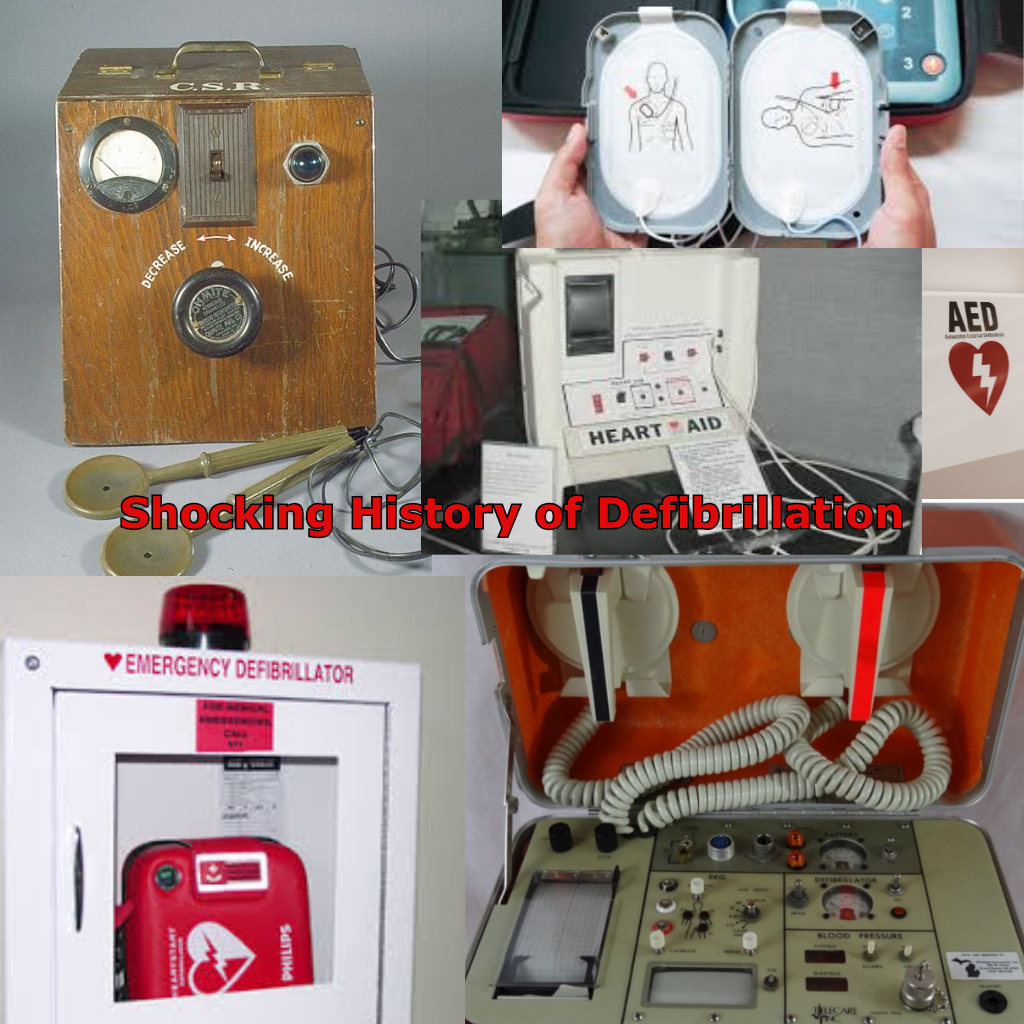
The Shocking History of Defibrillation
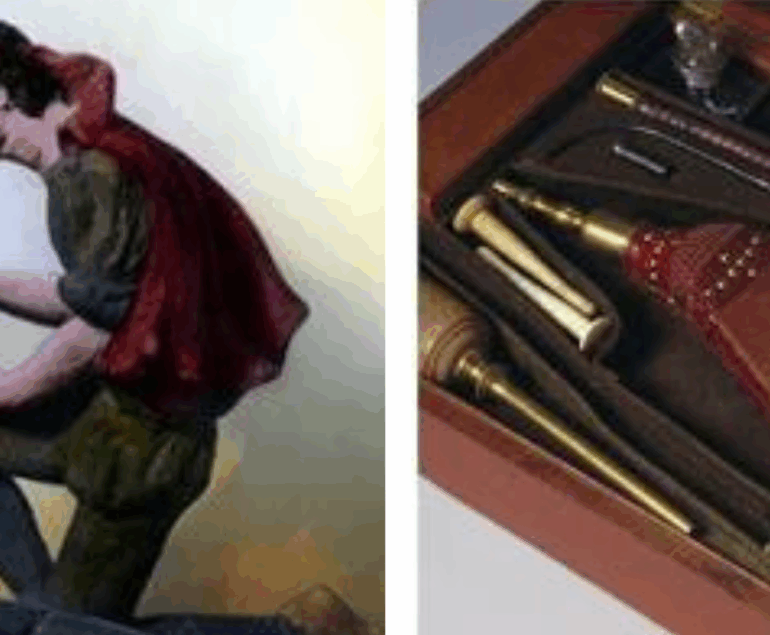
The concept of using electricity to restart a heart sounds like science fiction, but its roots go back to the 1700s. Early scientists observed that electricity could cause muscles to twitch. In 1775, Abildgaard proved that he could both stop a hen’s heart with an electric shock and then restart it with another. However, it wasn’t until 1947 that Claude Beck, a pioneering heart surgeon, successfully performed the first human defibrillation during surgery. At the time, this required opening the patient’s chest and applying metal paddles directly to the heart muscle.
From 100-Pound Machines to Portable Saves
Early defibrillators were anything but practical. In the 1950s and 1960s, these machines were bulky, complex, and confined to hospitals. They often weighed over 100 pounds and were powered by huge capacitors that required a wall outlet.
The real revolution began in 1965 in Belfast, Northern Ireland. Professor Frank Pantridge, often called the “Father of Emergency Medicine,” realized that if people were dying of cardiac arrest in the streets, the defibrillator needed to go to the streets. He invented the first portable defibrillator. It was still heavy—weighing 110 pounds and powered by car batteries—but it could be carried in an ambulance. This was the birth of the “Mobile Coronary Care Unit.”
The “Automated” Revolution
A major turning point came with the development of the automated external defibrillator (AED) in the late 1970s. Early inventors like Archie W. Diack helped design devices that could do something revolutionary: analyze heart rhythms automatically.
Before the AED, only doctors could decide when to shock a patient. Diack’s invention removed the need for expert interpretation by using microprocessors to “read” the heart’s electrical signals. Over time, advances in battery technology and electrode design allowed AEDs to become smaller, faster, and far more user-friendly.
How Modern AEDs Work With You
Today, AEDs are engineered specifically for the general public. When powered on, they provide clear, step-by-step voice prompts that guide the rescuer through the entire process:
- “Apply pads to the patient’s bare chest”
- “Analyzing heart rhythm—do not touch the patient”
- “Shock advised—stand clear”
The device will only deliver a shock if it detects a shockable rhythm, which makes it extremely safe. You cannot accidentally shock someone who does not need it. This automation is what allows teachers, coworkers, parents, and bystanders—with little or no medical background—to intervene effectively.
The Mechanical and Electrical Partnership
AEDs and CPR are designed to work together as a coordinated system:
- CPR keeps oxygenated blood circulating to the brain and vital organs (mechanical support).
- AED resets the heart’s electrical system (electrical correction).
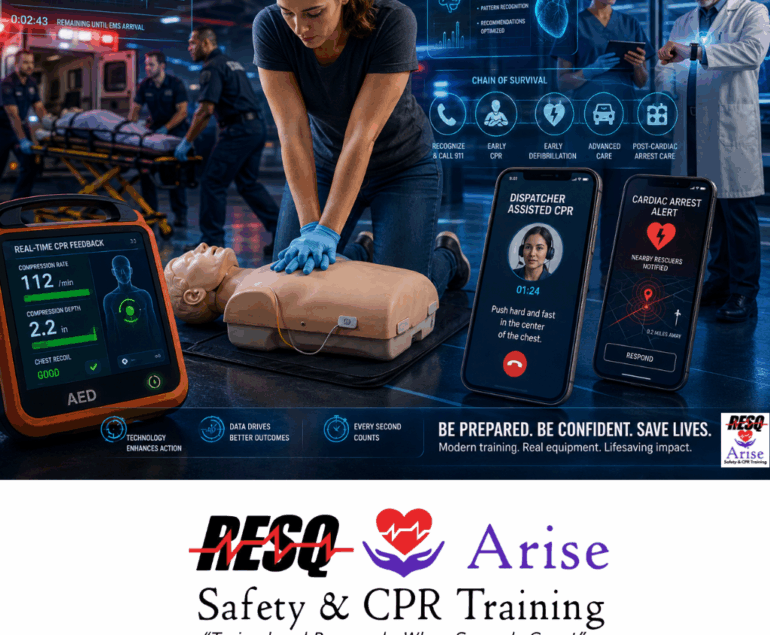
This combination dramatically increases survival rates. In fact, for every minute that defibrillation is delayed, the chance of survival decreases by about 7–10%. When CPR is started immediately and an AED is used quickly, survival rates can double or even triple. Because of this, AEDs are now commonly found in workplaces, schools, gyms, and airports.
Is there an AED in your workplace?
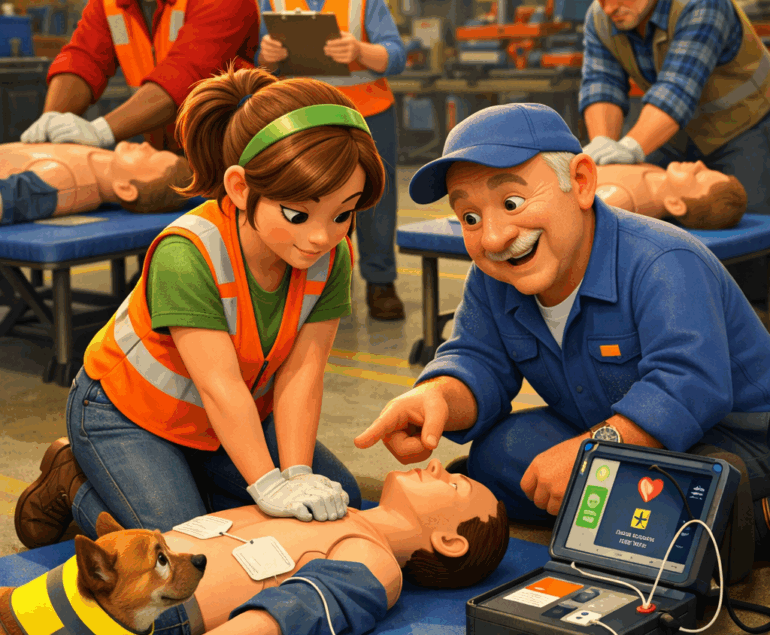
Knowing where it is is step one. Confidence is what saves lives. Learn how to act quickly and effectively with hands-on training at ResqTraining.com.
Sources for Part 5:
- Pantridge, J. F., & Geddes, J. S. (1967). A mobile intensive-care unit in the management of myocardial infarction. The Lancet.
- Diack, A. W., et al. (1979). An automatic cardiac resuscitator for emergency use. Medical Instrumentation.
- Myerburg, R. J. (2003). The role of AEDs in public access defibrillation. Circulation.
- Beck, C. S., et al. (1947). Ventricular fibrillation of long duration abolished by electric shock. JAMA.